
- Heating
- Cooling
- Plumbing
- Indoor Air Quality
- Electrical
- Specials
- About
- Contact
Service 7 Days Per Week!
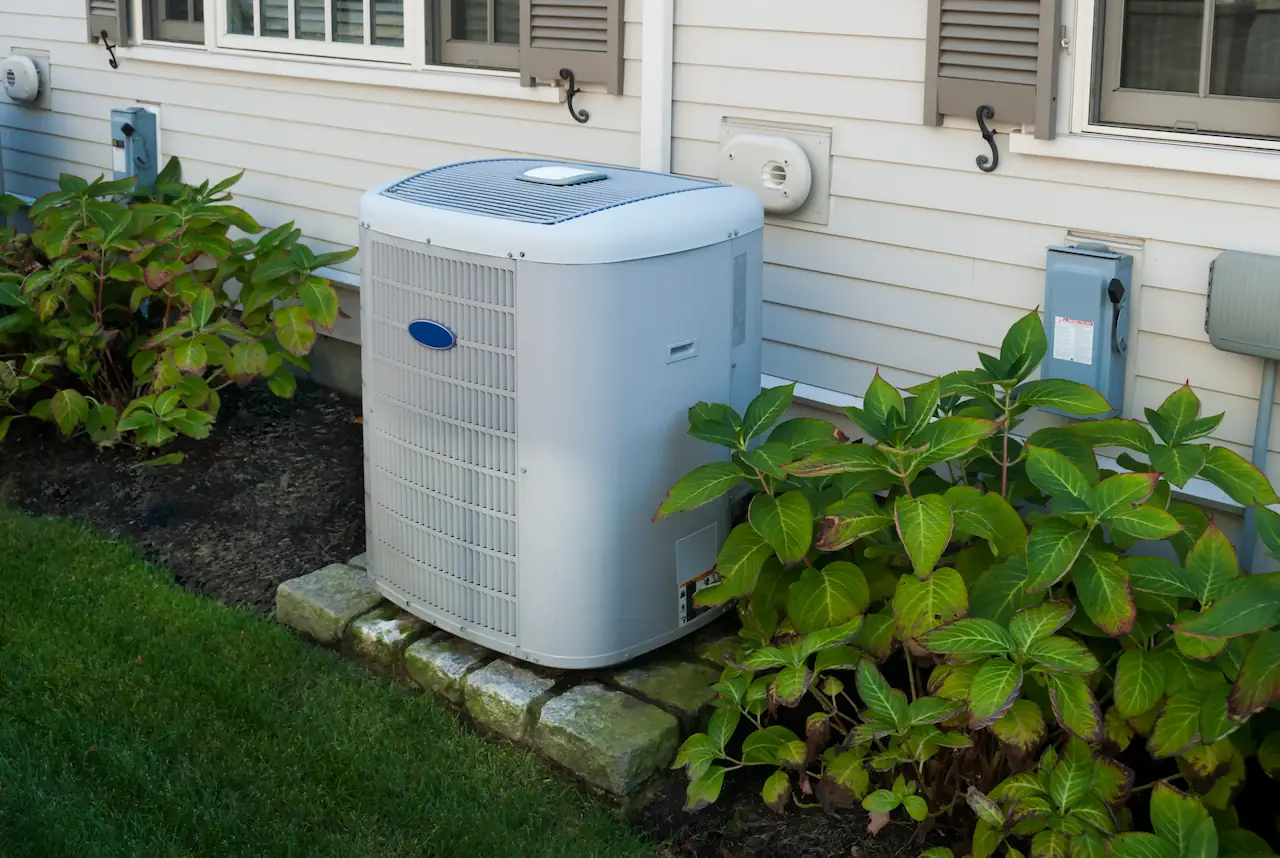
Heat pumps have become a popular choice for South Jersey homeowners who want one system to handle both heating and cooling. They’re efficient and reliable, but like any HVAC equipment, they wear down over time. When yours starts acting up, the big question is always the same: is this worth repairing, or is it time to replace the whole system?
Here’s how to think through that decision before you call for service.
Not every issue means your heat pump is on its way out. In many cases, a repair gets you back to normal comfort without the cost of a full replacement.
The system is under 10 years old. Heat pumps typically last 10 to 15 years with regular maintenance. If yours is still relatively young and has been serviced consistently, a repair is usually the more cost-effective route.
This is the first issue you’ve had. One-off problems, like a faulty capacitor, a refrigerant leak, or a malfunctioning sensor, are common and generally straightforward to fix. If your system has otherwise run well, a single repair likely won’t be a sign of bigger trouble ahead.
The unit is blowing air, just not at the right temperature. Weak heating or cooling can often be traced to something specific, low refrigerant, a dirty coil, or a failing reversing valve, all of which a technician can diagnose and correct during a heat pump repair visit.
Repair costs are a fraction of replacement cost. As a general rule, if a repair estimate comes in well under the cost of a new system, and the unit is still within its expected lifespan, repairing makes financial sense.
Other times, repeated problems point to a system that’s reaching the end of its useful life. Here’s what tends to signal replacement is the smarter move.
The system is 12 to 15 years old or older. Once a heat pump approaches or passes this range, the components inside are simply more prone to failure, even with good maintenance. Continuing to repair an aging system often means paying for one fix after another.
You’re calling for repairs more than once a year. Frequent breakdowns are a strong sign the system is degrading overall, not just dealing with an isolated issue. At a certain point, the cumulative repair costs add up to more than a heat pump replacement would have cost outright.
Your energy bills keep climbing. As heat pumps age, they lose efficiency, and that shows up on your utility bill. If your bills have crept up without an obvious cause, an aging or struggling system is often the reason.
The repair estimate approaches half the cost of a new system. HVAC professionals often use this as a rule of thumb: if a repair costs half or more of what a full replacement would run, replacement usually delivers better long-term value, especially with a newer, more efficient unit backed by a warranty.
It relies on outdated or hard-to-source refrigerant. Older heat pumps that use older refrigerant types can become more expensive to service as parts and refrigerant availability shrink. A newer system avoids that issue altogether.
If you’re not sure which category your system falls into, the fastest way to find out is a professional evaluation. A technician can check refrigerant levels, electrical components, airflow, and overall system performance to tell you honestly whether a repair will hold up or whether replacement is the better investment. This is also a good opportunity to walk through heat pump installation options if replacement turns out to be the right call, since newer systems often come with meaningfully better efficiency than units installed even a decade ago.
Staying ahead of the problem also helps. Regular maintenance through a maintenance plan can catch small issues before they turn into major repairs, extending the life of your system either way.
Not sure if your heat pump needs a repair or a replacement? Contact Fante’s Home Services for an inspection and honest recommendation.
Need an Electrician, Plumbing Or HVAC Technician? Call Fante’s Home Services At 1-609-445-2939 Or Click To Contact Us Online.


We come to work at Fante’s Home Services Heating, Cooling, Plumbing & Electrical everyday with one goal: provide quality service, with outstanding customer care. Servicing the Burlington, Camden, Gloucester, Mercer, Atlantic & Ocean County New Jersey area.
Privacy Policy | Terms of Use | Service Areas | Sitemap | ADA Notice


35 Charleston Rd. Willingboro, NJ 08046
571 Route 168 - Suite J, Blackwood, NJ 08012