
- Heating
- Cooling
- Plumbing
- Indoor Air Quality
- Electrical
- Specials
- About
- Contact
Service 7 Days Per Week!
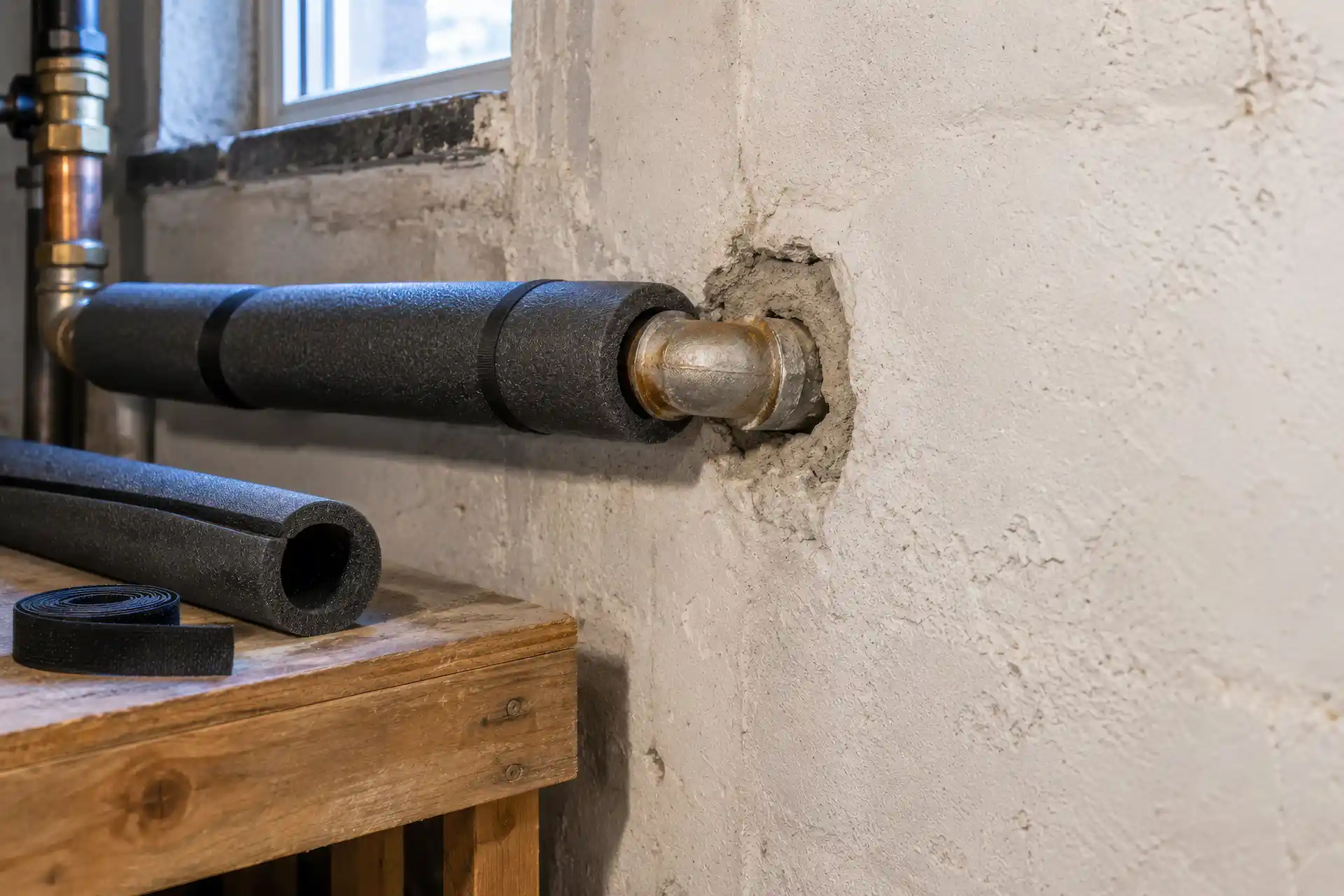
Most fall checklists stop at the furnace. That’s a good start, and if you haven’t gone through our fall furnace prep checklist yet, it’s worth a look. But your heating system isn’t the only part of your home that works harder once the weather turns. Your water heater, pipes, drains, and electrical system all take on more load in the colder months, and they tend to fail at the worst possible time.
Here’s a fall plumbing and electrical checklist for homeowners across Burlington, Camden, Gloucester, Mercer, Atlantic, and Ocean Counties. Most of it takes an afternoon. The rest is worth a professional look before winter settles in.
Once temperatures drop in South Jersey, a few things happen at once. Incoming water gets colder, so your water heater runs longer. Pipes in garages, crawl spaces, and exterior walls get closer to freezing. Holiday cooking and houseguests put extra strain on drains. And your electrical system takes on more load from space heaters, holiday lights, and longer evenings with the lights on.
None of these problems show up all at once. They build quietly through the fall and then fail on a cold night or in the middle of a holiday weekend. A little attention now heads most of them off.
Your water heater does its hardest work in winter, when it has to heat water coming in much colder than it did in July. Sediment that settled in the tank over the past year makes that job harder. It cuts efficiency, causes popping or rumbling sounds, and shortens the life of the tank.
Fall is the right time to flush the tank, test the temperature and pressure relief valve, and check the anode rod. Our guide on how to check the anode rod in your water heater walks you through that part. If you’d rather leave it to a pro, schedule water heater maintenance.
If your tank is more than 10 years old, leaking at the base, or running out of hot water faster than it used to, read when to replace your hot water heater before winter demand makes the decision for you. We also handle water heater repair and tankless water heater upgrades.
Disconnect garden hoses, close the indoor shutoff valve for each outdoor faucet, and open the faucet outside to let the remaining water drain. Do the same for lawn irrigation lines. A hose left connected can trap water in the faucet and split the pipe behind the wall.
We cover the full process, including insulating exposed pipes, in our guide on how to winterize your home’s plumbing. For more ways to protect pipes through a cold snap, see our tips to prevent frozen pipes.
If a pipe bursts this winter, the first thing you need to do is shut off the water to the house. Many homeowners don’t know where their main shutoff valve is, and older valves can seize up after years without use. Find it now, label it, and make sure it turns. If it’s stuck or leaking, a plumbing inspection can catch that along with other weak spots before freezing weather does. If the worst happens, call for frozen and burst pipe repair right away.
Fall rain, winter storms, and spring snowmelt can all push water into South Jersey basements. Test your sump pump by slowly pouring a bucket of water into the pit. It should turn on, empty the pit, and shut off on its own. Check that the discharge line is clear and drains away from your foundation, and keep it free of leaves.
A pump that runs constantly, makes grinding noises, or doesn’t turn on at all needs attention before the next heavy rain. We handle sump pump replacement and sump pump installation.
Thanksgiving is one of the busiest days of the year for kitchen drain and garbage disposal problems. Grease, food scraps, and extra houseguests all add up. If any drains in your home are already slow, have them cleared now instead of the night before a holiday. Professional drain cleaning clears buildup without the harsh chemicals that can damage pipes.
Slow drains in more than one fixture, gurgling toilets, or sewage odors can point to a problem in the main line. Our drain clearing and camera inspection special lets you see exactly what’s going on. For more on warning signs, read how to tell when to replace your main sewer line, or learn about our sewer line services.
Heating season is when carbon monoxide risk is highest. Furnaces, water heaters, gas stoves, and fireplaces all run more often once it’s cold. Press the test button on every smoke and CO detector in your home and replace the batteries. Check the date printed on each unit, too. Detectors don’t last forever, and an expired one may not sound when it should.
You should have a CO detector on every level of your home and near sleeping areas. If you need new or hardwired detectors, our electricians handle smoke and carbon monoxide detector installation.
Space heaters draw a lot of power. Plug them directly into a wall outlet, never into an extension cord or power strip. Before you set one up, check the outlet. Warm cover plates, scorch marks, loose plugs that fall out easily, or buzzing sounds are all warning signs that need a professional look.
Outdoor outlets matter this time of year too, especially if you’re planning holiday lights. Outdoor outlets should be GFCI protected and weatherproof. Press the test and reset buttons to make sure they trip the way they should. Our team handles outlet repair and installation.
Heating, space heaters, holiday lighting, and more time indoors all add load to your electrical panel. If breakers trip often, lights dim when appliances turn on, or your panel is decades old, it may not be keeping up. Electrical panel upgrades give your home the capacity it needs. Check our electrical panel upgrade special before you book.
Winter storms in South Jersey can bring ice, heavy snow, and wind that knock out power. When it goes out, your furnace stops, your sump pump stops, and your pipes start to cool. A standby generator turns on by itself within seconds and keeps those systems running. Fall is a good time to plan one, before the first winter storm. Learn more about whole-house generator installation.
If you use a portable generator, never run it inside your home, garage, or basement, even with the door open. Keep it outdoors and away from windows and vents to avoid carbon monoxide buildup.
When power comes back after an outage, the surge can damage furnace controls, thermostats, and appliances. Whole-home surge protection guards every circuit at the panel. Ask about our whole-home surge protection special.
Daylight drops fast after the clocks change. Walk your property at dusk and look for dark walkways, steps, and entrances. Good lighting makes your home safer and more welcoming through the winter. If you put up holiday lights every year, permanent holiday and accent lighting means no more ladders in the cold.
Before the first night forecast to drop below freezing, which often comes in late October or November. Many homeowners use Halloween as an easy reminder.
At least once a year. Fall is a good time, since it gets the tank ready for the heavy demand that comes with winter.
No. Space heaters draw enough power to overheat power strips and extension cords. Plug them directly into a wall outlet that’s in good condition.
Yes. Fante’s Home Services handles all three, so one visit can cover most of this checklist along with your furnace. A maintenance plan keeps your systems on a regular inspection schedule all year.
Your furnace keeps you warm, but your plumbing and electrical systems keep the rest of your home running. Fante’s licensed plumbers and electricians can help you work through this list before the cold arrives. We serve homeowners across South Jersey, and you can browse our current specials before you book.
Problem after hours? We offer emergency plumbing and emergency electrical service. Ready to schedule? Contact Fante’s Home Services today.
Need an Electrician, Plumbing Or HVAC Technician? Call Fante’s Home Services At 1-609-445-2939 Or Click To Contact Us Online.

We come to work at Fante’s Home Services Heating, Cooling, Plumbing & Electrical everyday with one goal: provide quality service, with outstanding customer care. Servicing the Burlington, Camden, Gloucester, Mercer, Atlantic & Ocean County New Jersey area.
Privacy Policy | Terms of Use | Service Areas | Sitemap | ADA Notice


35 Charleston Rd. Willingboro, NJ 08046
571 Route 168 - Suite J, Blackwood, NJ 08012